Pilot sites
Pilot sites in Canada, Colombia, Germany, Ghana, Israel, and the USA collect cross-sectional data on the full set of LEVANTE measures. The psychometrics group at Stanford assesses whether each measure passes a pre-specified set of criteria with respect to reliability, validity, lack of bias, and measurement invariance.

Pilot plan
Learn more about where and how pilot data collection is happening.

Our seven pilot sites gather cross-sectional and longitudinal data across multiple language versions of the LEVANTE measures, including English, Spanish, German, Hebrew, and others. Sites work with children across a broader age range (2–12 years), along with their caregivers and teachers, using both school- and community-based recruitment strategies.
Data collection approaches vary by context, including in-person and lab-based assessments, online and family-based participation, and repeated measures over time. Across sites, pilots focus on adapting and validating LEVANTE measures for different linguistic and cultural contexts, while testing feasibility for larger-scale implementation.

The psychometrics group will assess whether each measure passes a pre-specified set of criteria with respect to developmental growth within and across sites and within and across individuals. This determination will include an evaluation of within-test reliability, test-retest reliability, construct validity, measurement invariance, external validity, and test bias.

Sites will administer commercial measures that are well-normed and reported to have strong psychometric properties, but have the downside of being commercially licensed. Their use would require a licensing fee and, therefore, be restricted to funded LEVANTE users. These measures will be considered for inclusion if they achieve certain statistical thresholds.
LEVANTE pilot sites
Learn more about the countries where pilot data collection and analysis are currently underway.

Principal Investigator: Prof Daniel Ansari
University of Western Ontario, Canada
Principal Investigator: Prof Daniel Ansari
The principal aim of the proposed study is to collect pilot data from 300 children aged 5-12 for the LEVANTE project, from local schools in the London, Ontario, Canada region, through collaboration with the Thames Valley District School Board and the London Catholic District School Board. This pilot data will then be used as part of a larger effort to evaluate the age appropriateness of the core LEVANTE measures, their psychometric properties, and validity. By collecting pilot data at different sites with diverse geographical localization and languages it will become possible to evaluate the degree to which the core LEVANTE measures can be used in different contexts. Furthermore, the proposed pilot study will help to evaluate data pipelines developed for LEVANTE including the measurement platform, data validation tool, and data repository architecture.

Principal Investigator: Julian Marino
Universidad de los Andes, Colombia
Principal Investigator: Julian Marino
The LEVANTE pilot in Colombia, based at Universidad de los Andes, builds on an initial data collection effort focused on the translation and contextual adaptation of LEVANTE’s core measures into Spanish. This first phase involved children aged 5–12, their caregivers, and teachers, and combined individual applications with focus groups to assess task comprehension, instruction clarity, and overall suitability. It also helped identify practical considerations for implementation in Global South contexts, including infrastructure, stakeholder engagement, and readiness for large-scale data collection.
A second pilot, led by Julián P. Mariño and Carolina Maldonado and involving the Early Childhood Education Research Group and the Evaluation Center, extends this work to younger children and a longitudinal design. Data collection is planned over two to four years in Bogotá and a second region in Colombia. This phase includes the qualitative adaptation and validation of LEVANTE tasks for children aged 2–4, followed by three annual waves of data collection with approximately 250 children in daycare settings, along with their caregivers and teachers. An additional component—classroom observations of teacher–child interactions—is planned, subject to further funding.
Together, these efforts strengthen the adaptation of LEVANTE measures across contexts and age groups, while building the foundations for longitudinal research on early learning and development in Colombia.

Principal Investigators: Prof. Manuel Bohn / Prof. Daniel Haun
Max Planck Institute for Evolutionary Anthropology, Germany
Principal Investigators: Prof. Manuel Bohn / Prof. Daniel Haun
The data collection at this pilot site will identify the psychometric properties, validity, age appropriateness, and internationalization capabilities of the Core Measures designed for LEVANTE, their longitudinal stability and variability, as well as predictive relationships amongst the measures over time. This site will contribute three sets of data: a test dataset including all measures and questionnaires, a retest dataset, and a two-year follow-up dataset for the Core Measures. LEVANTE Core Measures will be administered online to children between 5 and 12 years and a primary caregiver. Furthermore, they will contribute data to evaluate data pipelines developed for LEVANTE including the measurement platform, data validation tool, and data repository architecture.

Principal Investigators: Prof Ben Domingue / Prof. Nilam Ram
Stanford University, USA
Principal Investigators: Prof Ben Domingue / Prof. Nilam Ram
The planned research will focus on psychometric analysis of the data collected by the three LEVANTE pilot sites to assess the suitability of the measures for usage in the larger-scale LEVANTE project. The research aims are: 1. Analyse pilot data to evaluate psychometric performance of individual tasks and surveys slated for inclusion in the broader framework. 2. Investigate cross-task patterns in pilot data to understand the challenges and opportunities of multi-site data collection and how those might be addressed in practice and analysis. The data and samples from the three LEVANTE pilot studies will undergo analysis using psychometric techniques, such as item response theory and factor analysis. These analyses will examine how each item/trial supports the measurement of the intended constructs, the relations among the constructs, and how the (latent) construct scores differ with age and context. Measurement invariance across child characteristics and context will be evaluated to inform adjustments for future LEVANTE studies.

Principal Investigator: Manuel Bohn
Leuphana University, Germany
Principal Investigator: Manuel Bohn
The second pilot site in Germany, led by Principal Investigator Manuel Bohn, is based at Leuphana University and will collect data from children aged 2-5. Research activities will take place in Lüneburg, a small to mid‑sized city in northern Germany, through collaborations with local kindergartens and testing sessions at the university lab.
The planned LEVANTE research aims to pilot the downward compatibility of LEVANTE measures in Germany. In close collaboration with the Stanford design team, tasks that do not require literacy will first be pre‑piloted with 50 children across the target age range to refine and adapt them for younger participants. In a second step, the fully adapted measurement set will be administered twice, approximately one year apart, to a longitudinal sample of 90 children.
For around half of the sample, children’s everyday experiences will also be recorded using a vest‑mounted camera system developed in the lab, capturing audio and video from naturalistic settings. Automated, machine‑learning–based tools will be used to extract features of social interaction, language input, and object play, enabling analyses of how everyday experiences predict developmental change on the LEVANTE measures.

Principal Investigator: Charles A. Nelson III
Boston Children’s Hospital, USA
Principal Investigator: Charles A. Nelson III
The U.S. pilot research site, led by Principal Investigator Charles A. Nelson III, is based at the Labs of Cognitive Neuroscience (LCN) at Boston Children’s Hospital, a primary teaching hospital of Harvard Medical School. Data will be collected over a period of two to five years from children aged 2 to 5 years in the United States, with recruitment focused on the greater Boston area.
The planned LEVANTE research will implement the LEVANTE Core Assessment Measures with a Boston‑based cohort of 200 children aged 2 to 5. The primary goal is to evaluate and refine the battery for younger children prior to broader international deployment. Children (n=50 per age group) will complete an initial assessment consisting of two lab visits, followed by two additional visits one year later.
Data collection will take place at the LCN, a large, child‑friendly research facility with extensive experience in recruiting and retaining diverse samples. Families will be recruited through community outreach, social media, and an established participant registry, with targeted efforts to enroll racial and ethnic minorities and reduce barriers to participation.
Principal Investigator: Ivy Kesewaa Nkruma
University of Cape Coast, Ghana
Principal Investigator: Ivy Kesewaa Nkruma
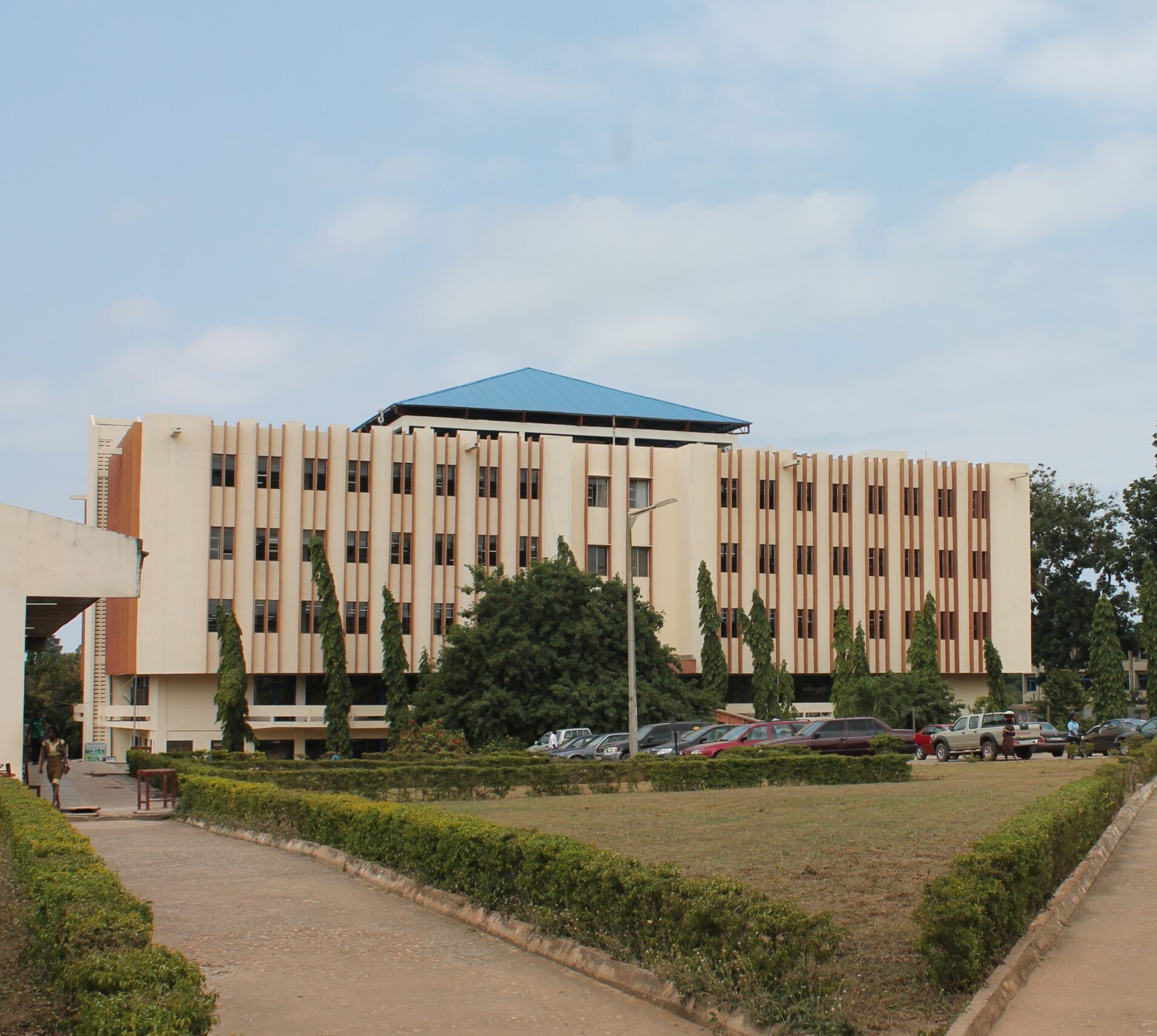
The Ghana research site co-led by Principal Investigators Ivy Kesewaa Nkrumah, Christopher Yaw Kwaah and Stella Yemisi Erinosho, focuses on children aged 6 to 12 years and is conducted at the University of Cape Coast in Ghana. The lab’s research program centers on the role of language of instruction (LOI) in shaping children’s learning and development in linguistically diverse educational contexts, with a particular focus on lower primary schooling.
The planned LEVANTE study adopts a mixed‑methods, accelerated longitudinal design to adapt, validate, and apply the LEVANTE assessment battery in Ghanaian contexts, while examining developmental trajectories in socio‑emotional skills, literacy, numeracy, executive function, and cognition (SELNEC) across different LOI models.
Three overlapping cohorts of children aged 6–12 (Grades 1–3, 2–4, and 3–5) will be followed over three years, enabling analyses of individual development and cohort‑level differences. Phase one focuses on cultural and linguistic adaptation through focus groups and interviews with teachers and caregivers across Ghana’s five language belts, think‑aloud protocols with pupils to assess item comprehension, and iterative review by a multidisciplinary expert panel.
Principal Investigator: Tami Katzir
University of Haifa, Israel
Principal Investigator: Tami Katzir
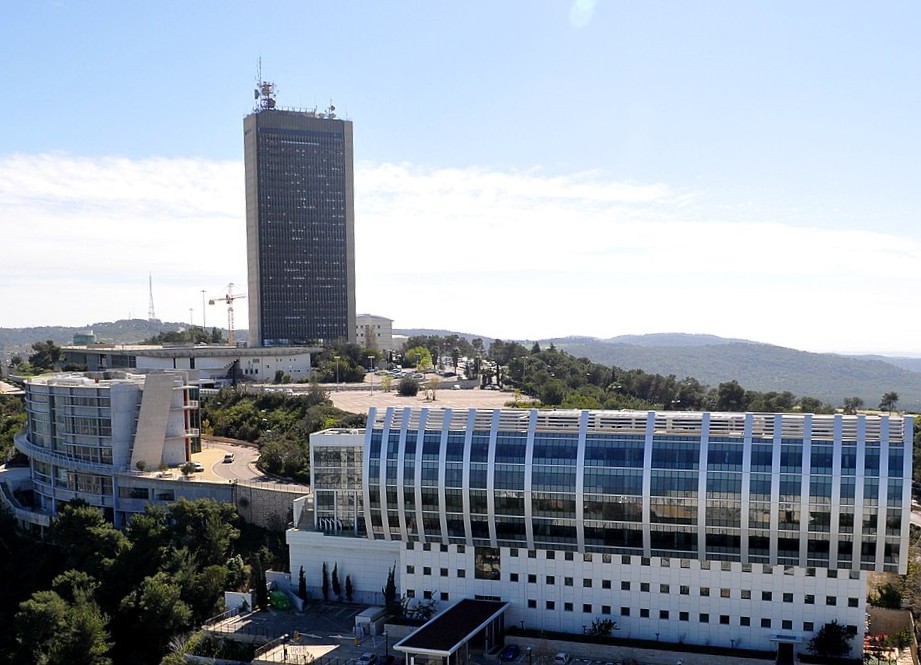
The Israeli research site, led by Principal Investigator Tami Katzir, is based at the Edmond J. Safra Brain Research Center for the Study of Learning Disabilities at the University of Haifa. Data will be collected over multiple years from children aged 5 to 10 in Israel, focusing on Hebrew‑ and Arabic‑speaking populations.
The proposed LEVANTE study addresses a critical gap in global research on learning variability by integrating Hebrew and Arabic into LEVANTE’s standardized assessment framework. The study will generate novel evidence on universal and language‑specific learning trajectories in Semitic languages.
The project will follow 600 children (300 Hebrew‑speaking and 300 Arabic‑speaking) using LEVANTE’s accelerated longitudinal design, with three overlapping cohorts covering ages 5–10 across three years. Annual LEVANTE Core Assessments will be complemented by validated Semitic‑specific measures developed at the Safra Center, including assessments of morphological awareness, reading with and without diacritics, and root‑pattern processing. A trained bilingual research team will administer computerized assessments, and caregiver and teacher questionnaires will be collected online, following LEVANTE protocols for quality control and cross‑linguistic reliability.