Public Health Foundation, India
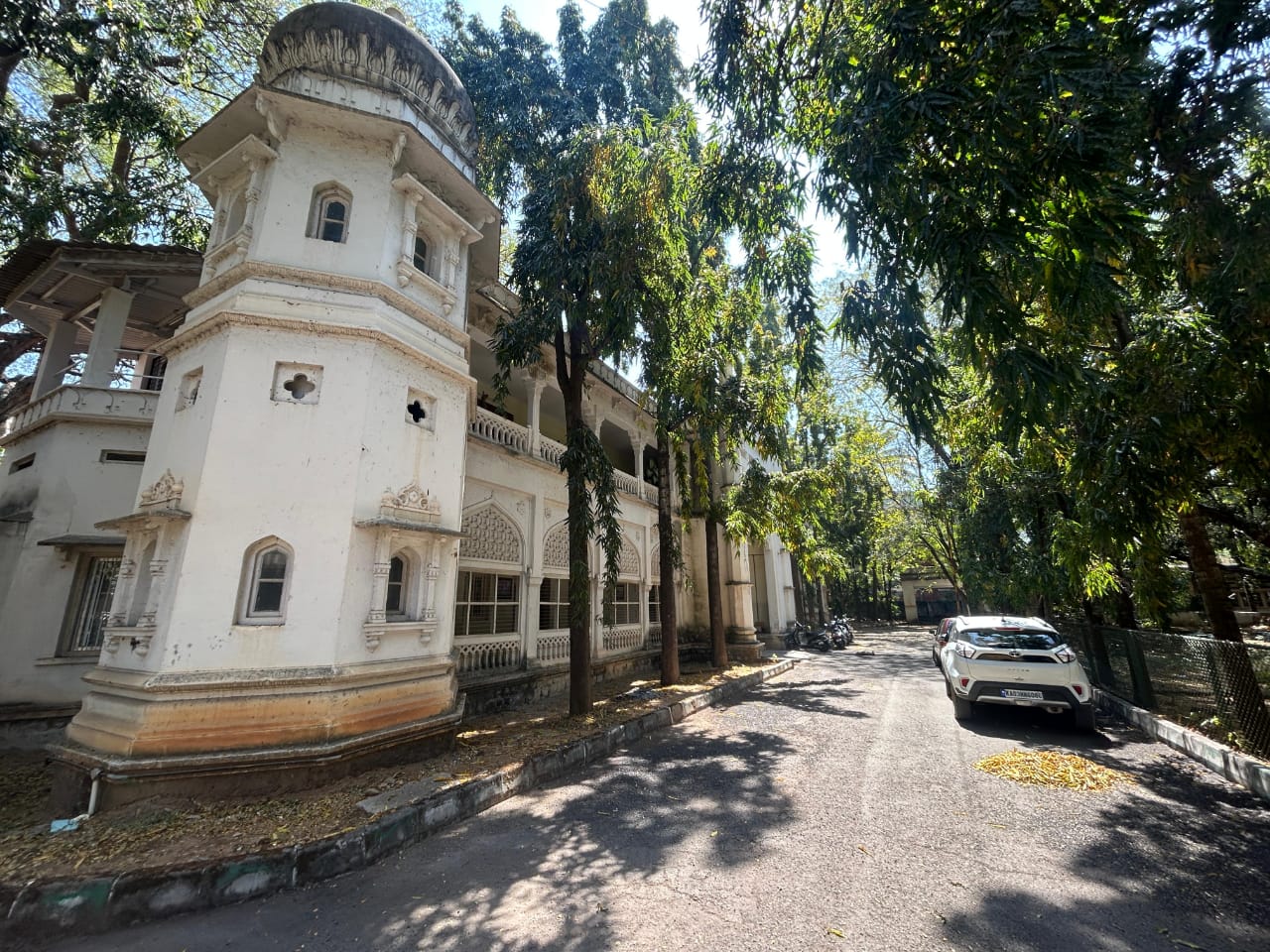
The LEVANTE site at the Public Health Foundation of India, co-led by Principal Investigator Debarati Mukherjee together with Pradeep Kumar Choudhury, Gokulakrishnan Kuppan, and Murali Krishna, examines how early-life experiences shape learning and development in children growing up in urban India. The research draws on the MAASTHI birth cohort, following around 1,000 mother–child pairs from pregnancy through early adolescence.
Using a life-course approach, the study investigates how biological, social, and environmental factors interact to influence developmental trajectories. This includes repeated assessments of children’s learning, health, and environments, as well as data on gut health and brain development.
The site will follow ~1,000 children from birth through early adolescence and map how learning, language, numeracy, and social-emotional skills develop over time to identify critical factors that push children onto different trajectories.

Principal Investigator
Debarati Mukherjee
Debarati Mukherjee is Lead and Professor-in-Charge at the PHFI Centre for Developmental and Lifecourse Research, Public Health Foundation of India. Her research focuses on how early-life exposures shape children’s development across the life course, particularly in urban low-resource settings.
Drawing on the MAASTHI birth cohort in Bengaluru, she studies how biological, social, and environmental factors—from pregnancy through early adolescence—interact to influence learning and developmental trajectories. Her work takes a multidisciplinary approach, integrating public health, developmental science, and longitudinal data to understand why children in similar contexts follow different learning pathways.

Co-Principal Investigator
Pradeep Kumar Choudhury
Pradeep Kumar Choudhury is an Assistant Professor at the Zakir Husain Centre for Educational Studies, Jawaharlal Nehru University in India. He is a development economist specializing in the measurement and explanation of educational and learning inequalities.
His research focuses on how early-life decisions, school environments, and socioeconomic factors shape children’s learning outcomes. He studies school choice, household investment in education, and inequality across the life course. Within the LEVANTE site, he examines school and teacher environments as key determinants of learning variability, bringing a policy and economics perspective to the analysis.

Co-Principal Investigator
Gokulakrishnan Kuppan
Gokulakrishnan Kuppan is an Additional Professor at the National Institute of Mental Health and Neuro Sciences (NIMHANS) in India, specializing in gut microbiome analysis and metabolic profiling. His research focuses on gut microbiome analysis and metabolic profiling, examining how biological factors relate to health and development across the life course.
His work uses advanced sequencing and metabolite analysis to generate high-quality data on gut microbiome composition. Within the LEVANTE site, he leads the gut microbiome component, contributing longitudinal data on gut–brain interactions and examining how these biological pathways relate to children’s learning and developmental trajectories.
Principal Investigator
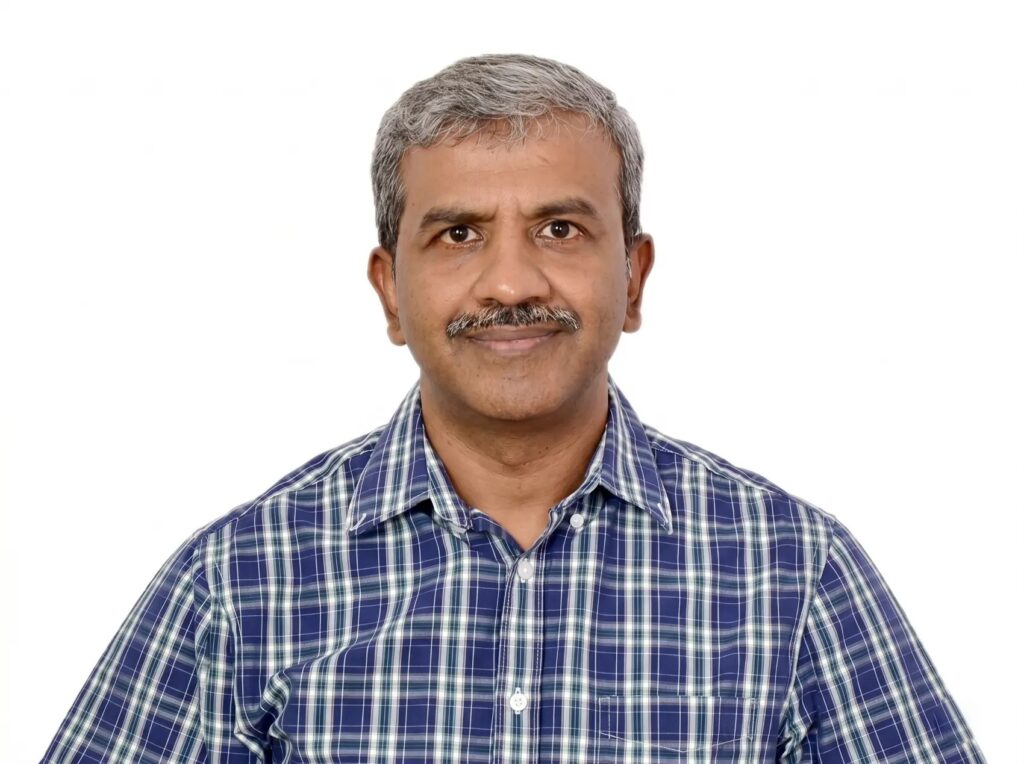
Murali Krishna
Murali Krishna is a psychiatrist and Professor and Program Head at the Institute of Public Health, Bengaluru, where he leads research in public mental health and cognitive epidemiology. His work focuses on how mental health and developmental factors across the life course shape learning and cognitive outcomes.
He studies early mental health risks, including parental depression and child behavioral difficulties, and their influence on learning variability. Within the LEVANTE site, he contributes to the development and contextual validation of cognitive and learning assessments and examines how mental health dimensions interact with broader developmental processes.