Universidad de los Andes, Colombia

The LEVANTE site at Universidad de los Andes, co-led by Principal Investigator Diego Iván Lucumí together with Natalie Slopen, focuses on how Afro-Colombian children in the Colombian Pacific Coast grow, learn, and thrive in contexts shaped by poverty, violence, and other long-standing adversities. Through the TEACH-IND project, the research examines how families, schools, and communities support children’s cognitive and socioemotional development over time.
Using the LEVANTE framework and a longitudinal mixed-methods approach, the project investigates how adversity and resilience interact across developmental trajectories. It also uses modeling tools to explore how different interventions might influence future outcomes.
Tracing how risks and protective factors combine over time, the site adds a strengths-based perspective on learning variability in an underrepresented context.
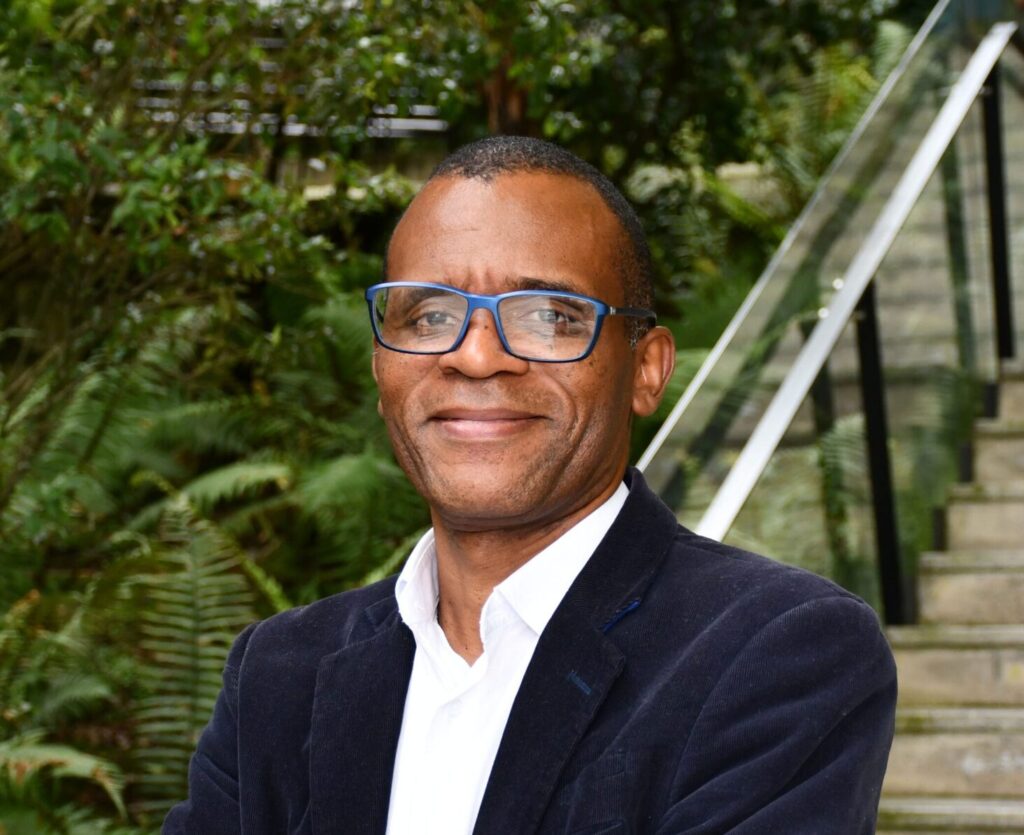
Principal Investigator
Diego Iván Lucumí
Diego Lucumi-Cuesta is an Associate Professor of Public Health at Universidad de los Andes, with over 15 years of experience designing, implementing, and evaluating public health interventions at national, territorial, and community levels. His research focuses on health behaviors, social determinants of health, and equity, with special attention to chronic conditions and cardiovascular disease. Within LEVANTE, he leads the TEACH‑IND project, studying cognitive, socio-emotional, and resilience development in Afro-Colombian children. His expertise in mixed-methods and participatory research ensures rigorous investigation of how community, school, and family factors shape children’s learning and development in historically marginalized populations.

Co-Principal Investigator
Natalie Slopen
Dr. Natalie Slopen is a social epidemiologist whose work focuses on child development, health equity, and life course theory. Her research examines how social and environmental factors—including socioeconomic disadvantage, violence, housing, and other adversities
—shape children’s mental and physical health and become biologically embedded across the lifespan. She also conducts intervention research aimed at reducing inequities and improving child and family well-being. Her work aims to generate evidence to inform policies and programs. She collaborates widely across disciplines and is deeply committed to mentoring students and post-doctoral researchers, and fostering inclusive and supportive environments for collaborative research.